All Categories
Featured
Threat Management Techniques for Santa Ana Payroll Proces...
Vision and Dental: Essential Advantages for Small Company...


Expert Staff Assistance EAP Guidance for Your Business
Table of Contents
Believe of it like the distinction in between leasing a house and owning a home. A conventional, fully-insured strategy is like rentingyou pay a set quantity every month, and the proprietor (the insurer) takes on all the risk and handles all the maintenance. Self-funded and level-funded plans, on the other hand, are more like owning your strategy.
This shift isn't just a trend; it's a direct action to the extreme monetary pressure lots of companies are under. Little companies with Affordable Care Act (ACA)- compliant plans frequently face shocking premium walkings driven by ever-rising healthcare costs. A current survey found that most small company owners are deeply anxious about affordability, with numerous fearing it could hamstring their operations or even force them to drop coverage completely.
With a (often called self-insurance), your business stops paying premiums and starts spending for your employees' real healthcare claims directly. You basically end up being the insurer, assuming the financial risk for your group's medical costs. Now, that may sound difficult. That's why businesses purchase. This is an important safeguard that begins to cover any claims that go above a specific dollar quantity.

This model opens up two huge benefits: If your team has a healthy year and claims are lower than projected, that money stays with you. It doesn't get stolen by an insurance carrier as revenue.
Group Benefits Huntington BeachIn a year with higher-than-expected claims, your expenses will be greater. That volatility isn't for every small company. Self-funded plans undergo federal ERISA policies but are typically exempt from state insurance coverage laws, which can simplify administration for multi-state companies. For smaller companies fascinated by self-funding but anxious about the unforeseeable cash circulation, are a wonderful happy medium.
Comprehensive Employee Wellness Program Basics for Your Team
Here's how it works. You pay a steady, level monthly payment to a third-party administrator (TPA). That single payment bundles three crucial things together: An estimate of what's needed to cover your group's medical claims. The expense for that essential devastating protection. The TPA's charge for dealing with all the claims processing and paperwork.
At the end of the year, if your real claims are less than what you paid into the claims fund, you typically get a refund or a credit for that surplus. This structure gives you the best of both worlds: predictable month-to-month costs you can spending plan for, plus a financial reward if your group stays healthy.
Group Benefits Huntington BeachYou get to take ownership of your healthcare strategy and see a direct return on clever, proactive management. What if you could offer health benefits by offering your employees a tax-free allowance to purchase their own insurance coverage, rather of choosing a one-size-fits-all plan? That's the big concept behind a Health Repayment Arrangement (HRA).
This approach puts your employees in the motorist's seat. They can select a private health plan from the free market that completely fits their individual requirements, their family's circumstance, and their preferred medical professionals. It provides the freedom to purchase coverage that truly works for them. For you, it means setting a repaired, foreseeable contribution each month without the danger of surprise premium hikes.
Reviewing the Small Firm Commercial Benefit Needs
A QSEHRA lets you repay employees for their individual health insurance premiums and other qualified medical costs, up to a yearly maximum set by the internal revenue service. Because it was created specifically for small employers, there's one key guideline: you can't offer a QSEHRA along with a standard group health strategy. It's an either/or choice.
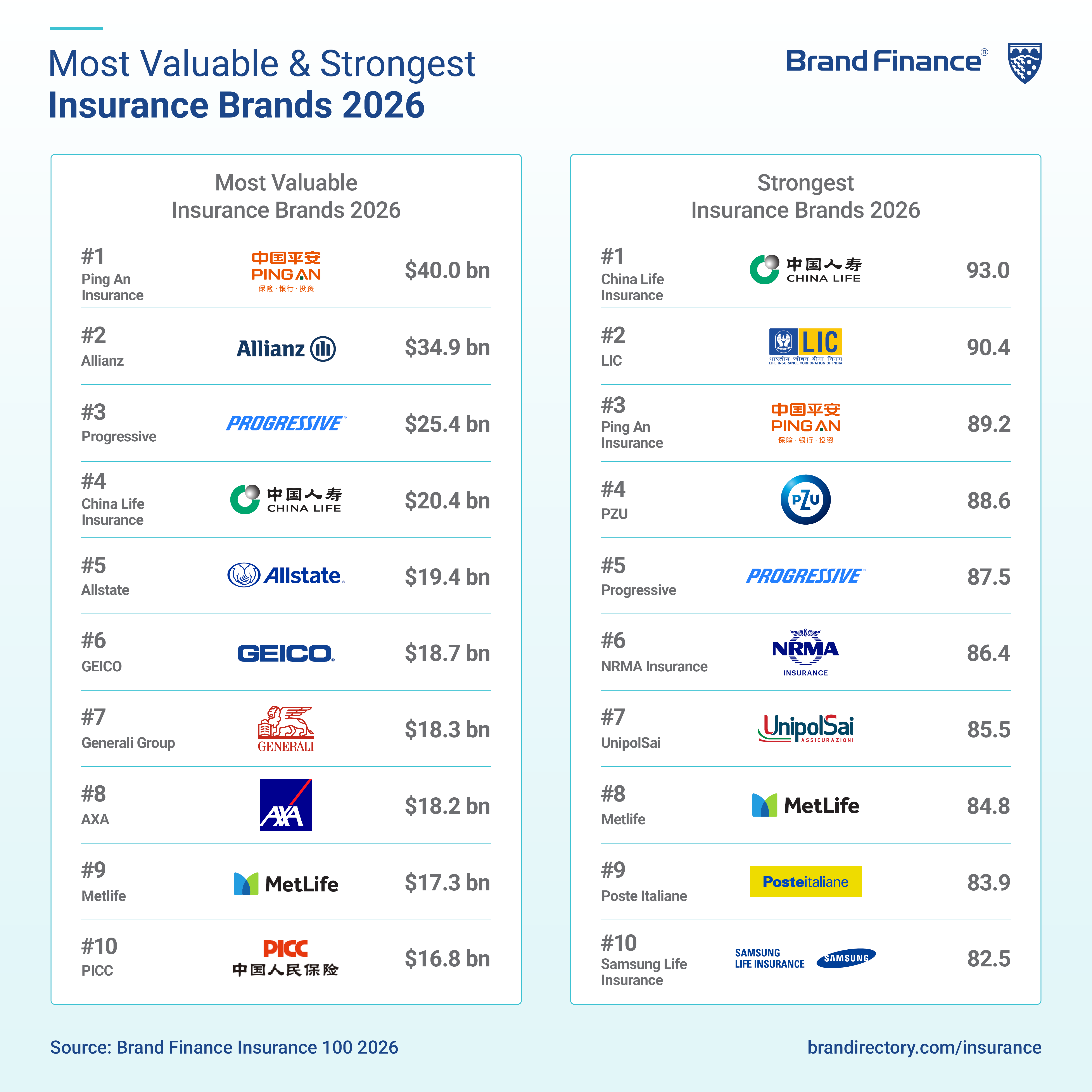
The is a newer and a lot more flexible choice that works for services of any size. Unlike the QSEHRA, the ICHRA has, offering you complete control over your benefits budget plan. Even better, you can set various allowance quantities for various "classes" of employees, like full-time versus part-time or salaried versus per hour workers.
A small start-up can begin with a modest contribution and increase it as the company grows. And if your company becomes an Applicable Big Company (ALE) with or more staff members, a well-structured ICHRA can satisfy the ACA's company required, making it a terrific long-lasting technique. For more information about how HRAs stack up against other accounts, take a look at our guide on the distinctions between HSAs, FSAs, and HRAs.
The very best choice often boils down to your business's current size, future growth plans, and how much flexibility you need. Here's a fast breakdown to assist you see the distinctions side-by-side. Feature ICHRA (Individual Protection HRA) QSEHRA (Certified Little Employer HRA) No size limit. Works for companies with 1 employee or 1,000+ staff members.

Table of Contents
Latest Posts
Analyzing Workplace Wellness Initiative Expenditures
Threat Management Techniques for Santa Ana Payroll Processing

Vision and Dental: Essential Advantages for Small Company Personnel
Latest Posts
Analyzing Workplace Wellness Initiative Expenditures
Threat Management Techniques for Santa Ana Payroll Processing
Vision and Dental: Essential Advantages for Small Company Personnel