All Categories
Featured
Threat Management Techniques for Santa Ana Payroll Proces...
Vision and Dental: Essential Advantages for Small Company...

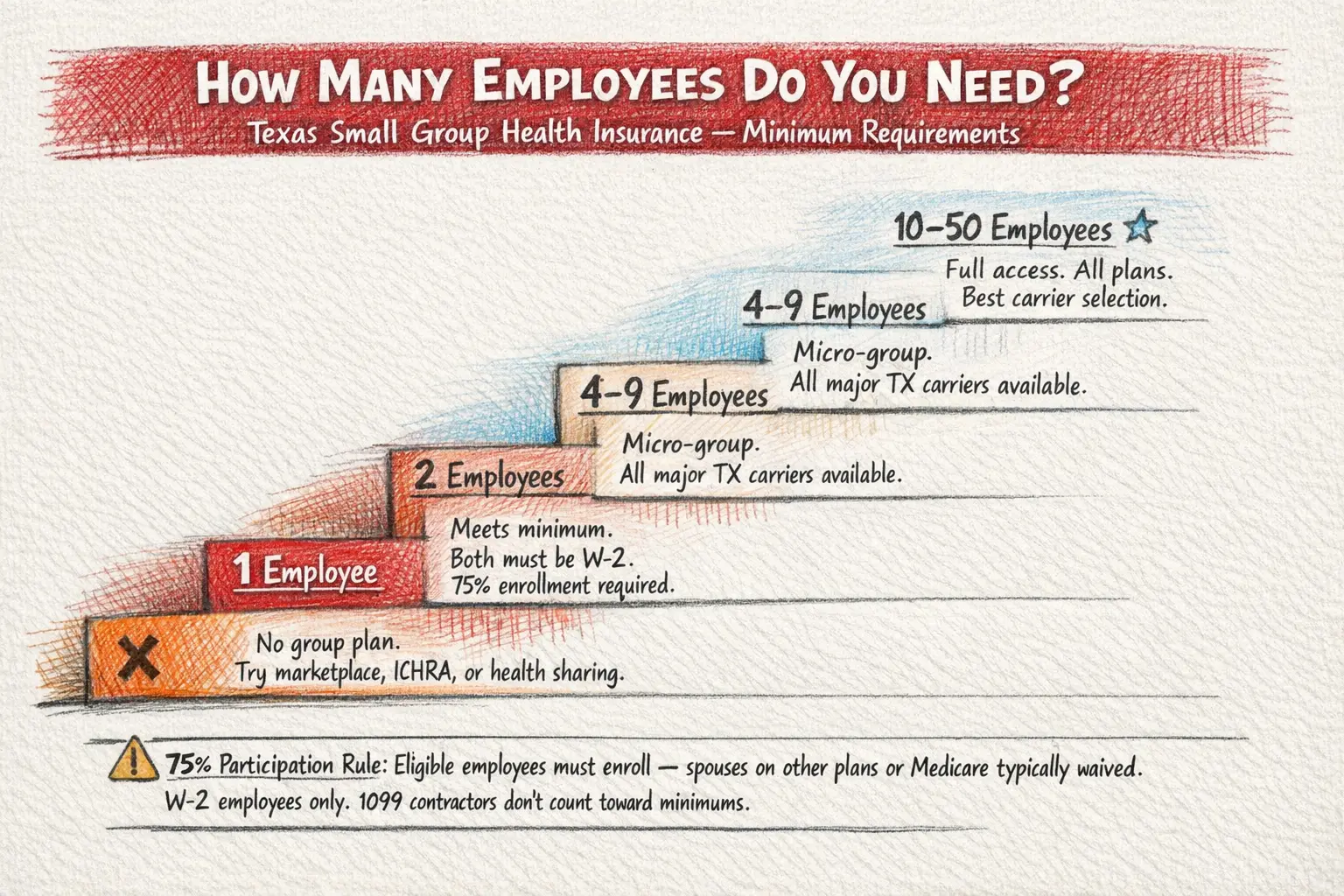
Expert Guidance for Group Insurance Selection
Table of Contents
Keep your group happy, healthy, and engaged. We'll guide you to the right medical insurance strategy while browsing compliance and staying within your spending plan. Enlist your employees seamlesslyChoose from numerous top-tier strategy providersIntegrate easily with your payroll.
Do you know how to choose health insurance plans for your company? Sure, you might provide traditional group medical insurance to your employees, however that's not your only option. There are a number of small company health insurance alternatives you can select from. Why not pick the program that fits your business? Continue reading to learn more about little company health care choices to assist you choose one that keeps your workers (and budget) delighted.
QSEHRA: small employers under 50 reimburse workers for individual premiums and medical costs; tax-deductible for employers. ICHRA: any company can compensate staff members for specific plan costs, need to be consistent within staff member classes and is tax-free. Excepted benefit HRA: extra reimbursements for oral, vision, copays; need to accompany a standard group strategy.
But, not all employees have the alternative to enroll. And those who do have access to advantages do not always benefit from them. According to the Bureau of Labor Stats, 72% of personal market employees have access to medical care advantages. And, 45% take part in them. Using competitive advantages while also keeping your employer expenses low is tough for numerous small companies.

Selecting Workplace Assistance Program Providers for Teams
Just how much does medical insurance expense employers? Employers pay around for single coverage and each year for a worker with family protection insurance. Thankfully, little organization owners have some program alternatives and tax rewards that aren't readily available to larger employers (e.g., companies with 50 or more staff members). Have a look at some of the health insurance coverage choices for small company owners below.
Conventional group health insurance is where an employer picks a plan, or plans, to offer staff members. With a conventional group health insurance strategy, companies and workers pay monthly premiums.
The employee is also accountable for copays and deductibles connected with the plan they select. Have a look at some truths about standard group medical insurance plans: Companies pick strategies to use employees Employees contribute pre-tax premiums toward their strategy Companies typically contribute a good part of the premium expense Streamline Health Benefits Administration Our totally free integration with SimplyInsured lets you shop for medical insurance plans, compare expenses, merely management, and automatically sync advantages deductions with Patriot's payroll software application.
Finding Vision and Dental Insurance to Benefit Staff
QSEHRAs are standard group health strategy options that let companies repay staff members for individually-obtained premiums and qualified medical costs. Normally, HRAs reimburse staff members for certain medical costs, such as medication or crutches. A QSEHRA is a standalone HRA that compensates staff members for premiums, too.
Group Benefits OceansideUnlike standard health insurance coverage strategies, employers with an ICHRA do not directly offer strategies to employees. Instead, employees select their own health insurance coverage strategy, and companies reimburse them for the expense of part or all of their strategy.
Employers can not provide both to a staff member ICHRAs are tax-free Employers with 50 or more staff members have more stringent policies for ICHRA repayments An excepted advantage HRA is an additional insurance option that started in January 2020. Employers can only provide an excepted benefit HRA if they likewise offer a standard medical insurance plan.
Lowering Corporate Wellness Program Costs
How do these plans work? Through an excepted benefit HRA, employers compensate employees for eligible costs. Take a look at a few of these truths about excepted benefit HRAs: The annual contribution limitation is $2,200 for 2026 It needs to be provided in conjunction with a traditional group health insurance strategy Excepted advantage HRAs do not pay for primary health insurance coverage premiums There are a variety of distinctions between the little company health insurance alternatives out there.

Table of Contents
Latest Posts
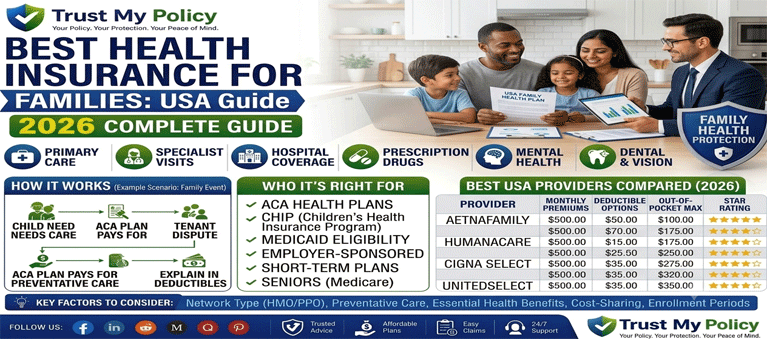
Analyzing Workplace Wellness Initiative Expenditures
Threat Management Techniques for Santa Ana Payroll Processing

Vision and Dental: Essential Advantages for Small Company Personnel
Latest Posts
Analyzing Workplace Wellness Initiative Expenditures
Threat Management Techniques for Santa Ana Payroll Processing
Vision and Dental: Essential Advantages for Small Company Personnel